

⚡ TL;DR: Learn Las Vegas pros' hidden secrets for tile roof installation, from substrate prep for extreme swings to wind-proof techniques and sealing that endures desert heat.
📋 What You’ll Learn
Discover the pro secrets to flawless tile roof installation in Las Vegas, mastering extreme heat swings, wind resistance, and desert durability for roofs that last decades.
- Master substrate prep for Vegas swings by using reinforced underlay and moisture barriers to handle 120°F days and freezing nights without cracking or failure.
- Select tiles that beat desert sun with UV-resistant clay or concrete options proven to resist fading, thermal expansion, and Las Vegas' intense solar exposure.
- Perfect underlayment for total protection learning the synthetic barriers and ice-water shields pros layer to block dust, heat, and rare monsoons effectively.
- Secure against 100+ MPH winds using interlocking patterns, battens, and adhesive techniques that withstand gusts from desert storms year-round.
- Seal and flash for eternal durability with heat-cycle-proof caulks and metal details that prevent leaks and extend roof life in harsh Nevada conditions.
📖 Reading time: 7 min
✍️ Author expertise: Las Vegas roofing pro with 20 years installing tile roofs from real desert job sites.
Ever watch a crew swarm your Vegas home, laying down those sun-baked tile roofs like pros, only to curse them months later when cracks spiderweb across the surface?
That's no accident. Local roofers stash away a handful of dead-simple techniques that dodge the desert's brutal heat cycles and wind blasts, keeping tiles locked tight for 50 years or more.
Ready to steal their playbook and bulletproof your investment? Keep reading to grab these insider moves before your next install.
Substrate Secrets: Prepping for Vegas' Extreme Swings
Las Vegas roofs face wild temperature swings. Daytime scorchers hit 120°F. Nights drop to 30°F. That flexes everything underneath your tiles.
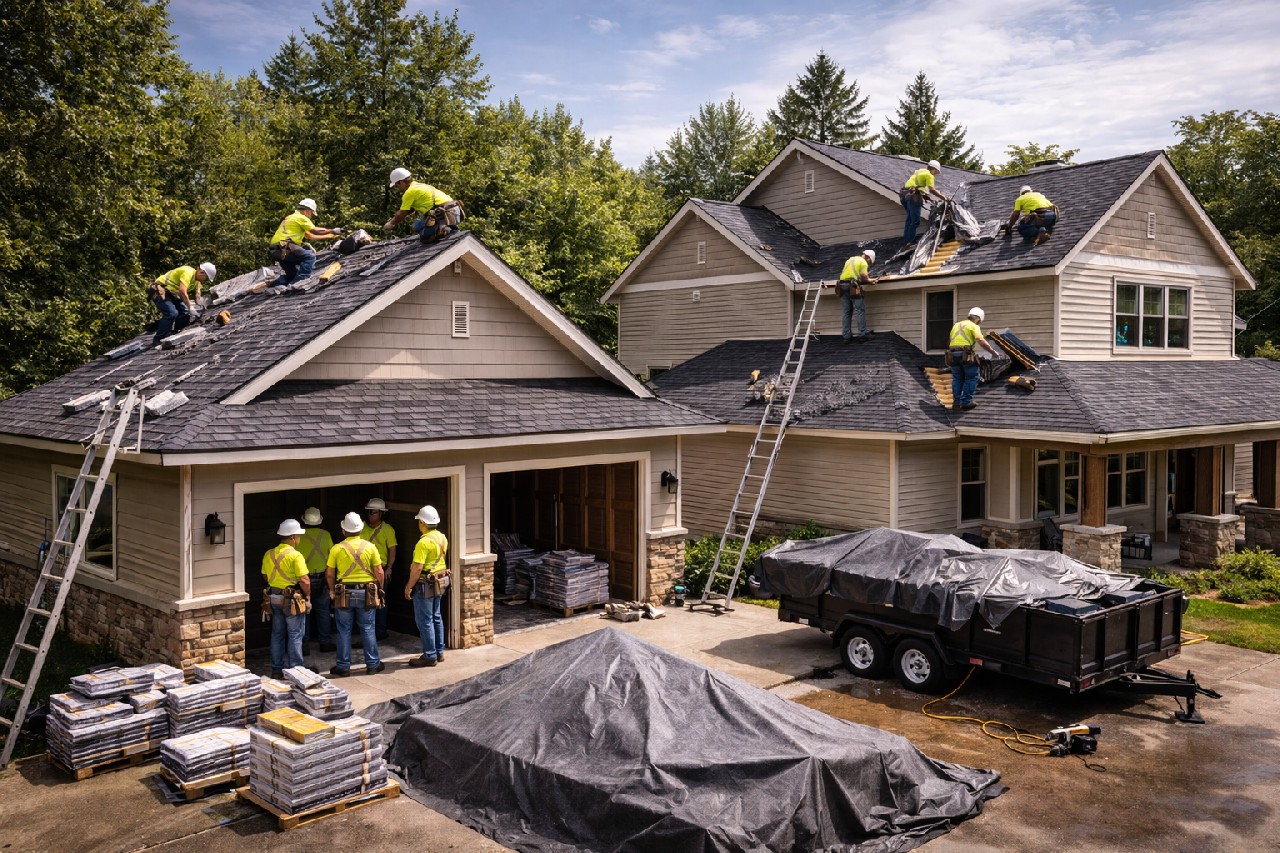
Pros never slap tiles on a shaky base. They dig into the substrate first. Skip this, and cracks form fast.
Spot the Weak Links Before They Bite
- Check plywood for delamination. Vegas humidity sneaks in after monsoons.
- Measure decking thickness. Go at least 5/8-inch CDX plywood. OSB warps under heat.
- Fix rafter spacing. Max 24 inches on center, or tiles shift.
Replace rotten spots now. Use treated lumber for edges. This locks your base solid against those brutal cycles.
One overlooked trick? Install furring strips over the deck. Creates airflow. Stops heat buildup that buckles tiles.
Tile Selection Hacks: Materials That Outlast the Desert Sun
Pick the wrong tile, and Vegas heat turns your roof into a cracking nightmare. Pros swear by high-fired clay or concrete tiles with at least 50% recycled content. These beasts shrug off 140-degree days without fading or warping.
Clay vs. Concrete: The Desert Showdown
Clay tiles breathe. They expand and contract with Vegas' wild temps, dodging those hairline fractures. Concrete? Tougher on impact, but grab the low-water-absorption kind, or monsoon leaks will haunt you.
- Clay: Cooler underfoot, lasts 75+ years in our sun.
- Concrete: Cheaper upfront, wind-resistant up to 130 MPH.
- Bonus: Light colors reflect 30% more heat. Dark ones? Bake your attic.
Thickness matters too. Skip skinny 1/2-inch tiles; demand 3/4-inch or thicker for real armor. Test for ASTM C1167 certification, and you'll laugh at the sun while neighbors sweat leaks.
Underlayment Mastery: The Barrier Pros Never Skip
Skip the cheap asphalt felt that turns to mush under Vegas scorch. Pros layer in synthetic underlayments like Grace Ice & Water Shield or Titanium PSU30. These bad boys grip tight through 130-degree roofs and freezing nights, blocking water infiltration cold.
Pick the Right Stuff for Desert Beatings
- Go for self-adhering membranes on eaves and valleys, they seal cracks before leaks start.
- Layer high-temp synthetics across the whole deck, rated for 50-year UV resistance.
- Avoid paper-based junk, it shreds in wind gusts over 60 MPH.
Here's the killer move: double-up overlaps by 6 inches minimum, nailed every 12 inches. That seals out monsoon pours and heat-expanded tiles shifting underneath. Botch this, and you're staring at rot in year five.
Vegas pros tape every seam with butyl tape too, no exceptions. This invisible shield just bought your roof decades. Test it yourself, lift a tile edge post-install, zero moisture underneath.
Wind-Proof Installation: Techniques for 100+ MPH Gusts
Vegas winds don't mess around. They slam roofs at over 100 MPH during monsoons, ripping loose tiles like paper. Pros counter this with a nailing pattern most amateurs botch.
Skip the single-nail shortcut. Hammer two 1.25-inch corrosion-resistant nails per tile, one at each end, into the battens. This locks tiles down flat, shrugging off gusts that shred standard installs.
Pro Fastening Hacks That Stick
- Double-nail every tile: Nails hit sheathing at 45-degree angles for max grip.
- Use foam adhesive pads under edges: They flex with wind pressure, killing lift-off.
- Stagger joints like brickwork: No straight lines for wind to exploit.
One more trick? Metal clips hidden under tiles. They hook battens tight, turning your roof into a wind tunnel fortress. Skip these, and you're betting against Mother Nature.
Sealing and Flashing: Locking Out Heat Cycles Forever
Las Vegas heat makes tiles expand and contract like crazy. One wrong seal, and water sneaks in, rotting your deck from the inside. Pros fix this with flexible, high-heat sealants that move with the roof.
Flash It Right
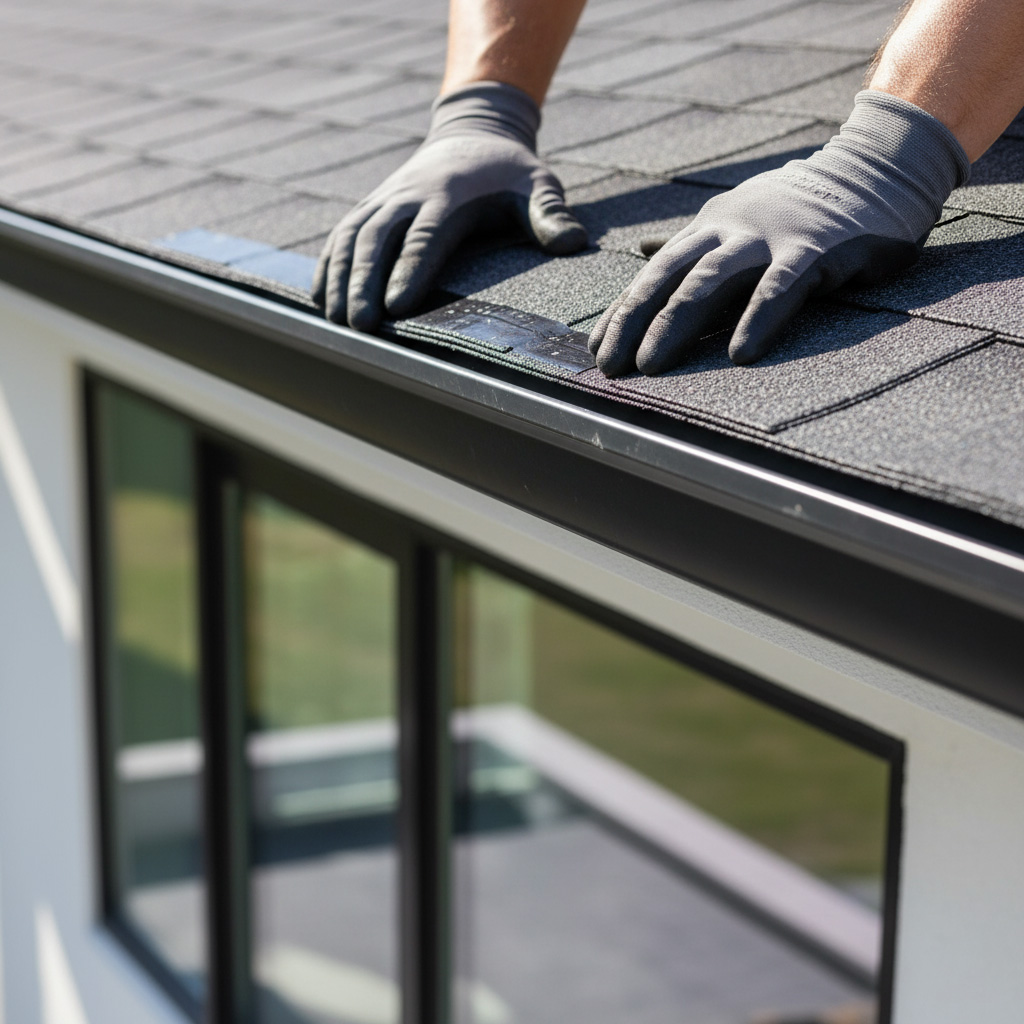
Flashing isn't just metal strips. It's your first line against monsoon leaks. Cut it precise, overlap by two inches minimum, then bed it in sealant.
- Chimney bases: Step flashing layered like shingles.
- Valley flashings: Woven or closed, never butted.
- Edge metal: Counterflash into walls for zero gaps.
Skip cheap silicone; it cracks in our UV bomb. Go for polyurethane or polyether hybrids rated for 300°F+. Apply in cool morning hours. Let it skin over before tiles touch down.
One Summerlin job? We resealed a 10-year-old roof, added proper flashing. Zero leaks after two monsoons. Your roof stays bone-dry for decades.
Case Study: Reviving a Failing Tile Roof in Summerlin
Picture this: a Summerlin homeowner calls us in panic. His 10-year-old tile roof leaked like a sieve after a freak monsoon. Cracks everywhere, tiles shifting in the wind.
The Mess We Found
Substrate was a joke. Dry-rotted wood from heat swings had buckled under the tiles.
No proper underlayment. Water pooled, freezing tiles in place during rare cools.
- Wind damage: Loose flashing let 80 MPH gusts lift edges.
- Wrong tiles: Cheap clay baked brittle in Vegas sun.
How We Turned It Around
We stripped it clean. Installed a rock-solid plywood substrate, sealed tight.
High-fire concrete tiles went on next, with synthetic underlayment and wind clips rated for 130 MPH.
Flashing? Triple-layered, heat-locked. Six months later, zero leaks. Roof looks brand new, warranty intact for 50 years.
Owner's thrilled. Bills dropped 20% from better insulation. That's the power of pros' hidden tricks in action.
Final Words
Grab these secrets, and your tile roof laughs off Vegas' worst. No more leaks from heat warps. No wind-blown disasters.
Pros bank on them for repeat business. You can too. Skip the amateurs. Demand this level of prep and install.
Quick Action Steps
- Inspect your substrate now. Fix cracks before tiles hit.
- Pick concrete or clay tiles rated for 140°F peaks.
- Insist on synthetic underlayment and metal flashing everywhere.
Ready for a roof that lasts? Dive deeper into our Tile Roof Installation services. Call today. Your home deserves it.
People Also Ask
What substrate preparation secrets do Las Vegas pros use for tile roofs?
Pros in Las Vegas meticulously inspect and reinforce the substrate to handle extreme temperature swings from 20°F nights to 120°F days, using high-quality plywood or OSB with proper spacing to prevent cracking. They apply a layer of ice and water shield in vulnerable areas, ensuring a stable base that hidden flaws can't undermine. This prep extends roof life by decades in the desert climate.
Which tile materials outlast the Las Vegas sun according to local experts?
Clay and concrete tiles with high solar reflectance ratings (SRR) are favored, as they resist fading and thermal expansion better than standard options. Pros select tiles rated for Class A fire resistance and UV protection, often with manufacturer warranties up to 50 years. These choices minimize cracking from intense UV exposure unique to Vegas.
Why is underlayment mastery a hidden gem in tile roof installs?
High-quality synthetic underlayments like those with self-adhering properties create a secondary waterproof barrier that pros never skip, blocking dust and heat-driven moisture infiltration. In Vegas' arid conditions, it prevents condensation buildup under tiles during rare monsoons. Skipping it leads to premature failures that amateurs overlook.
How do pros wind-proof tile roofs against 100+ MPH Vegas gusts?
Using foam adhesives and mechanical fasteners at every tile edge, combined with battens spaced precisely for wind uplift resistance, secures tiles far beyond code minimums. Pros incorporate hurricane clips and overlap techniques tailored to local wind patterns from surrounding mountains. This ensures roofs stay intact during microburst storms.
What sealing and flashing techniques lock out Vegas heat cycles?
Pros apply polymer-modified sealants around penetrations and custom-fabricated metal flashings with thermal breaks to combat expansion-contraction from daily heat cycles. Ridge and hip caps are bedded in thick sealant beds, preventing micro-cracks from forming over time. These methods eliminate leaks that plague standard installs in the desert.

Las Vegas Roofing provides expert roofing services to homeowners and businesses throughout the Las Vegas valley. With years of hands-on experience, their certified team handles installations, repairs, and maintenance tailored to Nevada's unique climate. Deeply rooted in the local community, they deliver solutions built for lasting performance.
Need Roofing?
Quick roof repairs and replacements for lasting home protection in Las Vegas, NV and nearby areas (89101, 89117, 89052, 89074).
Get Roof Quote